So… what do you think?
The first clip is called Bling Bling in Beijing~
So… what do you think?
The first clip is called Bling Bling in Beijing~
After refusing to sign the agreement himself, he was made to sit in a separate room, and behind his back, was signed one of the most controversial and bizarre treaties in human history – The Simla accord.
For over a century, the intricacies of the border between India and China/Tibet have baffled scholars. In fact, the plot leading to the Simla conference and beyond actually plays just like a thriller movie or book. The sheer complexity of this problem can be judged by the fact that 36 rounds of negotiations have taken place between India and China at different levels since 1981; but they have yet to reach a settlement.
 Rather than stick to just one country, I thought I’d highlight underground music from Hong Kong on this post and add a little bit from the rest of Asia on the end. On the left is the Analog Girl, one of the hottest acts on the continent. Hailing from Singapore, the electro-rock chanteuse was named by TIME magazine as one of the 5 Music Acts to Watch in 2008. Since that time she’s toured the world with her unique sound.
I also got interested in the underground music scene in Hong Kong after I discovered “The Underground Channel” on YouTube. After the jump, we’ll feature videos from Quasar, Tacit Closet, Soler, The Sinister Left, DJ Matthew Veith, Hardpack, Audiotraffic and Poubelle International. We’ll also hear from Jakarta’s Goodnight Electric, Malaysia’s Zee Avi and Beijing’s P.K. 14 along with Japan’s Vamp and YMCK. Finally for some of the older crowd, I want to introduce a couple of Enka style acts from Japan, which is surprisingly similar (at least to me) of some of the classic Chinese singers.
Today’s collection is very eclectic so hopefully there’s something for everyone to enjoy.
 We’ve done some posts on China and Taiwan music in the past, but those were about the general music scene. Today I’d like to feature two videos created by Brendan Madden, who lives in Qingdao, is a teacher and member of the band Dama Llamas, and keeps up with the scene in northern China. I’ll also feature a few other bands you might not know, and some comments about where I think things are headed.
These two mini-documentaries show the trials and tribulations of trying to establish modern music venues in China. So far, the audience has too many non-Chinese expats along with too few locals, though locals form most of the bands themselves. Right now, Beijing is the hot spot in northern China with the most popular bands in the country. Outside of Beijing, legitimate venues are hard to come by and the money isn’t very lucrative. In these places, rock n’ roll comes strictly from the heart.
 Events of the last week in Iran have been widely reported by the world press. Not long before, the press also reported on the 20th anniversary of the Tiananmen Square incident of 1989. Were these two distinct events reported in a similar manner or were they treated as different and unique events? Let’s take a look at each and see what we can find.
1) Who are the good guys and who are the bad guys?
Based on the coverage I’ve seen, both governments were cast as being in the wrong and both protest movements as in the right. In the case of China, the government sent in tanks and used live ammunition to break up a protest movement that was alleged to have turned violent. Most of the reporters in the world press were located in or near the same area, and their reports reflected what occurred in that vicinity. Analyzes of this event in most cases pointed to the government as the culprit and the demonstrators as being victims and responding in a suitable fashion. Is this an accurate assessment? The Chinese government attempted to confiscate film of the event from foreign sources but those attempts were successfully evaded in most instances.
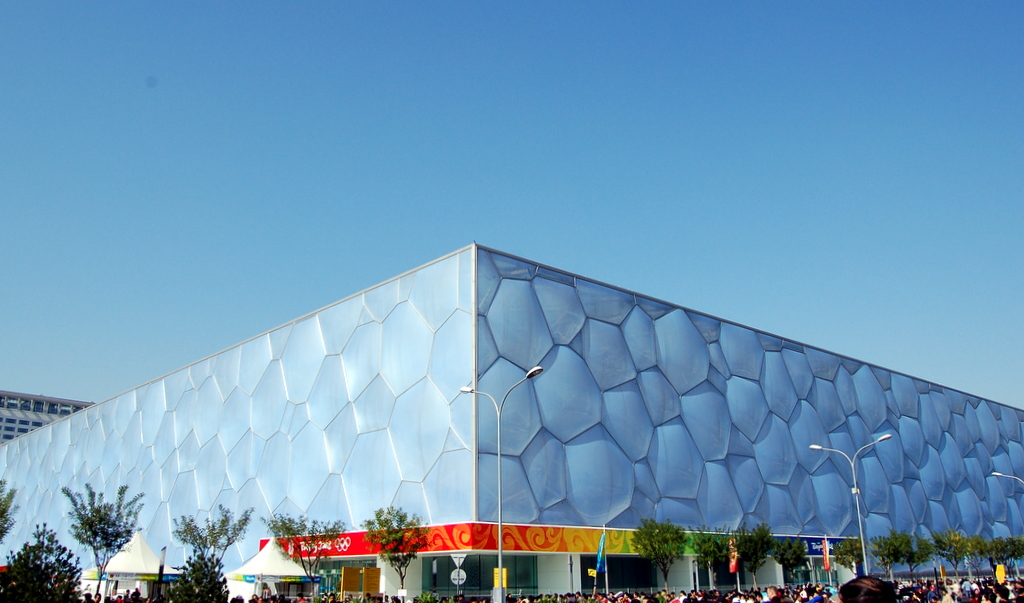
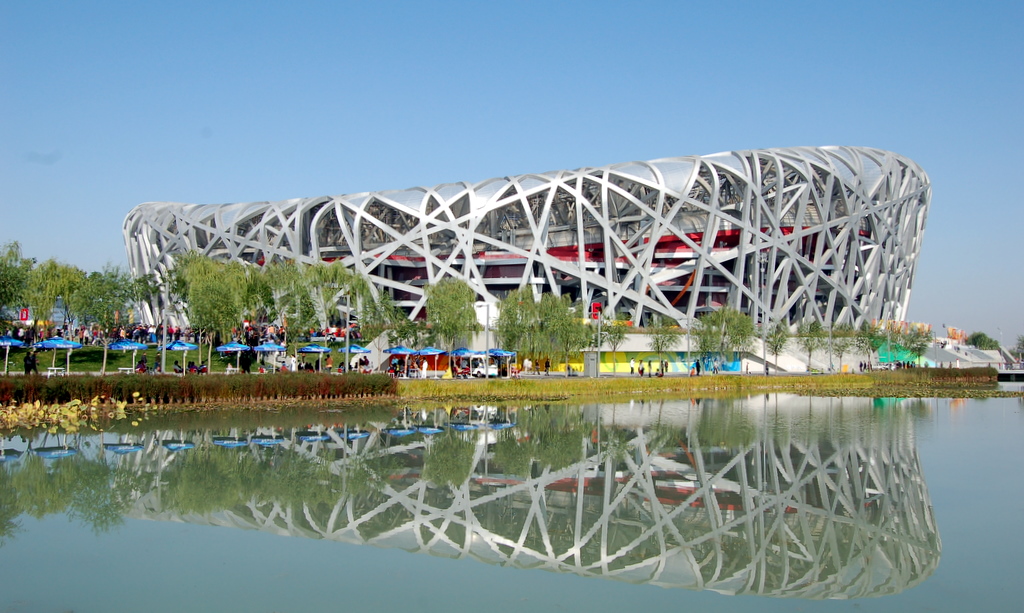
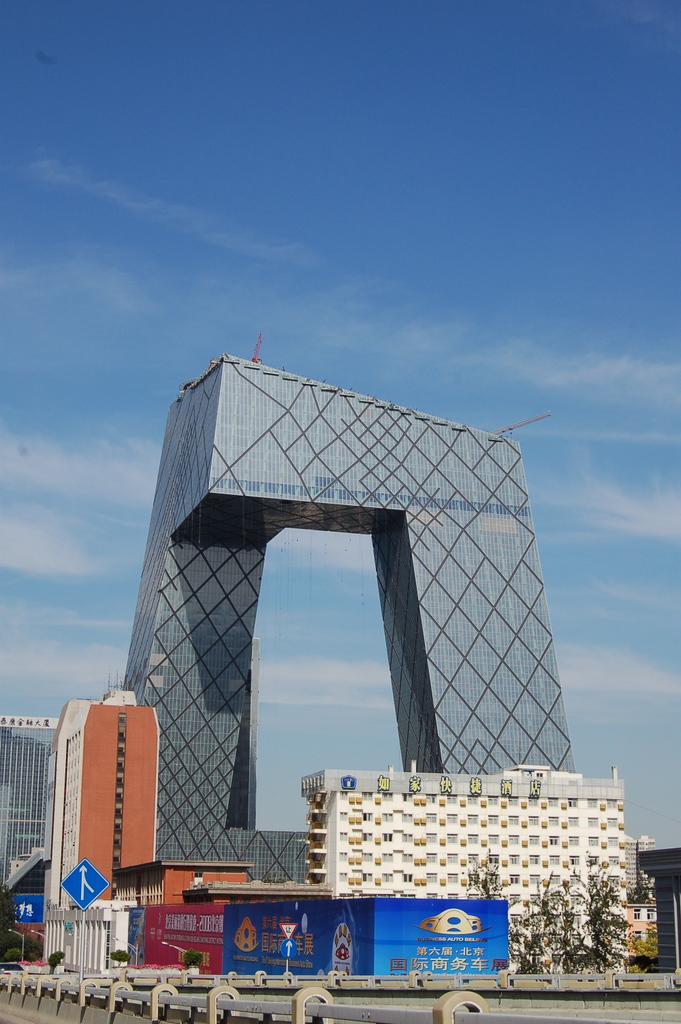
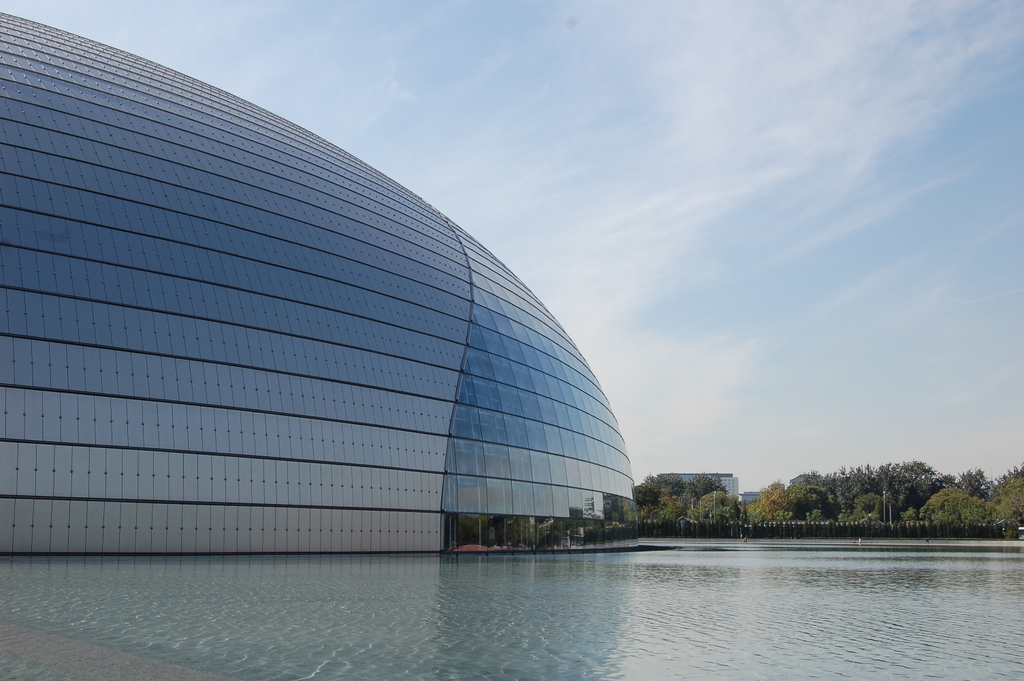
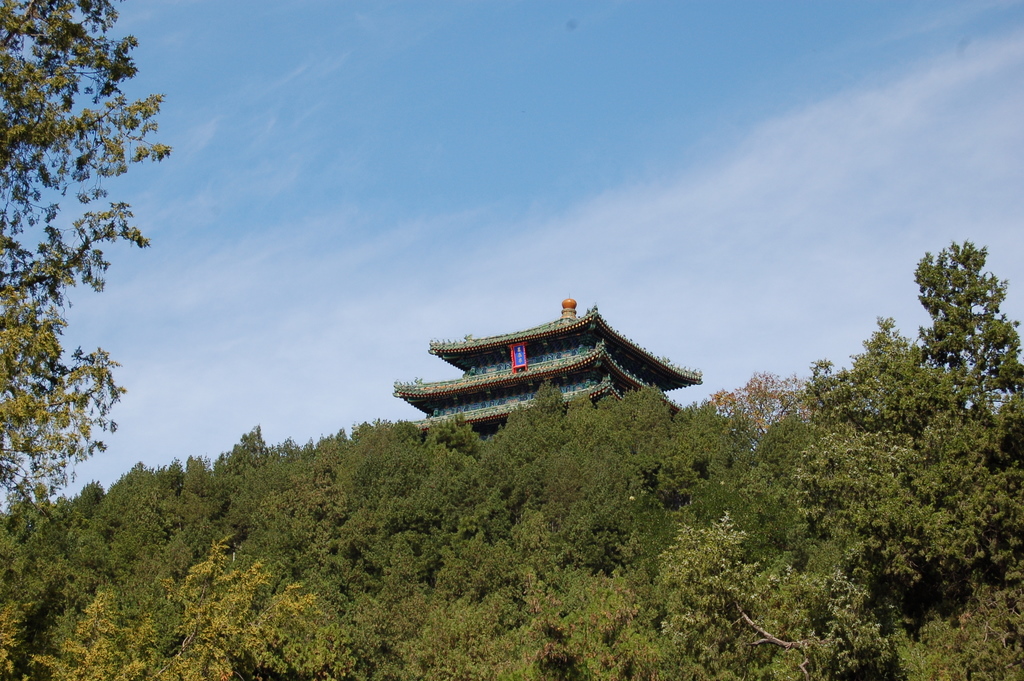
The most impressive is the frequent return of blue sky in Fall Beijing, here is the evidence:

From their past experiences in sports engagements with China, the Japanese are worried. How are they preparing themselves for possible slights and confrontations with the Chinese?
Do you think the spirit of hospitality in the Chinese governments’ adivce on the 8 questions Chinese shuold not ask foreigners during the Olympics will help put our Japanese visitors at ease?
This article is from the Sankei website (original in Japanese). 北京五輪で日本人の気骨を, by 平和・安全保障研究所理事長, 西原正, Fujisankei Communications Group, Opinion Magazine, July 29, 2008. Continue reading »
First, the first day of what I hope are numerous days of blue skies. This picture comes from Friday afternoon, looking at the Beijing railway station:

Picture a couple of Falun Gong dudes, or a Tibetan Monk sitting in a cell, waiting for the Games to finish so they can be executed and give up their organs for harvest. Continue reading »
– written by Brandon
It has been the case for well over 2000 years that with a huge population and rich diversities in custom, cuisines, dialects, culture, religions, ethnicities, and political views, it’s always a challenge for any Chinese government to unit its people. However, recent events provided the Central Empire another silver bullet in its arsenal to achieve just that, the butterfly effect.
It takes a real expert to explain the effect in details. The short and layman version is that a butterfly’s wings might create tiny changes in the atmosphere that ultimately cause a tornado to appear. In other words, a small disturbance might have huge and unintended consequences somewhere and somehow.
Examining what happened since middle of March will better illustrate my point.

Recent Comments